Image Source: (c)Nathan Anderson
–
It is to a stroke of fortune that I owe listening to the final episode of Malcolm Gladwell’s Revisionist History podcast three times over the last week. The first of the series of events which led to that was upgrading to iOs11 which messed up my podcasts, led me to seeking out Overcast as a replacement, and then having to decide on which ones to subscribe to or which to bin. That episode, Basement Tapes, explores a son’s reaction to finding out he has played a part in debunking to some of extent what has been the essence of his father’s work. The son, Robert Frantz is contacted out of the blue by a researcher, Chris Ramsden (Scientific American describes as the Indiana Jones of science), who is looking to acquire raw data from an experiment conducted by Robert’s father, Ivan, in Minnesota between 1968 and 1973. What results from Chris’s analysis of the data is a fundamental questioning of the conclusions of that study and the diet-heart hypothesis which claimed a linkage between a low saturated fat diet and the low blood cholesterol levels it produces and a reduction of the associated death rate (or adverse outcomes, as the study euphemistically puts it).
By Gladwell’s admission it is a story he stumbles on whilst researching a different story, the peculiar set of circumstances he is facing at the time (the death of his own father). That prompts the question of legacy and how to remember parents who have gone before. Frantz sides with the science in his case but comes to terms with the “betrayal” by recognising that the principles behind the science are what his father truly believed in.
I listened to the podcasts in a week in which my tenuous grip on a relationship with my father came into focus thanks to number of conversations I had to have with S, wedding planning and all. Perhaps already left worn and vulnerable from all that intense sharing, I was more receptive to the thought to making an effort to reconnect, not least because my father is hardly the young sprightly man he once was.
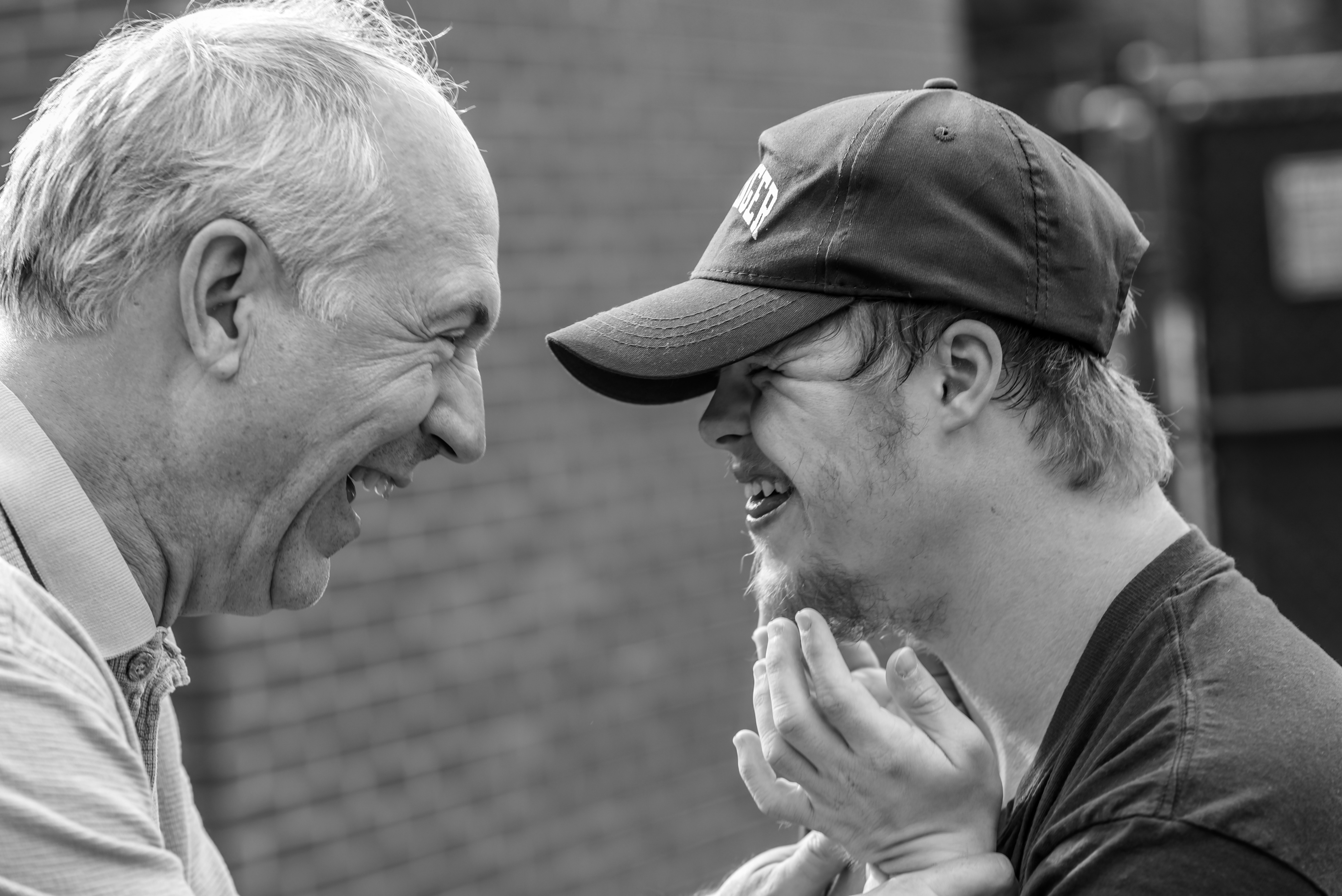
The question Frantz and Gladwell wrestle with is how to honour the legacy of their fathers, divergent beliefs or not. That their views have diverged from their fathers is not entirely unexpected given they’ve grown up in different epochs and have had different experiences. What Gladwell concludes is that to honour your father is to honour his principles. In my case, that is a deep sense of duty to family and a commitment to integrity. That I can do, I hope.